Northern Nigeria is a treasure trove of culture, history, and natural beauty. From bustling markets and ancient palaces to scenic hills and wildlife reserves, the region offers unique experiences for travelers looking to explore a different side of Nigeria. Whether you’re a first-time visitor or a seasoned explorer, this guide highlights the top 10 most beautiful cities in Northern Nigeria, including must-visit attractions, local experiences, travel tips, and safety advice.
Planning your Northern Nigeria trip has never been easier — read on for a complete travel guide.
Why Visit These Cities in Northern Nigeria?
Northern Nigeria stands out for its:
- Rich History & Culture: Ancient kingdoms, historic palaces, and traditional festivals like the Durbar Festival.
- Natural Beauty: From the scenic Shere Hills in Jos to the lush Tula Hills in Gombe and serene waterfalls in Minna.
- Unique Experiences: Wildlife safaris, desert dunes, and vibrant local markets.
- Family-Friendly Adventures: Cities with attractions suitable for all ages, from museums to amusement parks.
Best time to visit: October to March (dry season) for cooler weather, accessible roads, and optimal sightseeing.

Top 10 Most Beautiful Cities in Northern Nigeria
1. Kano
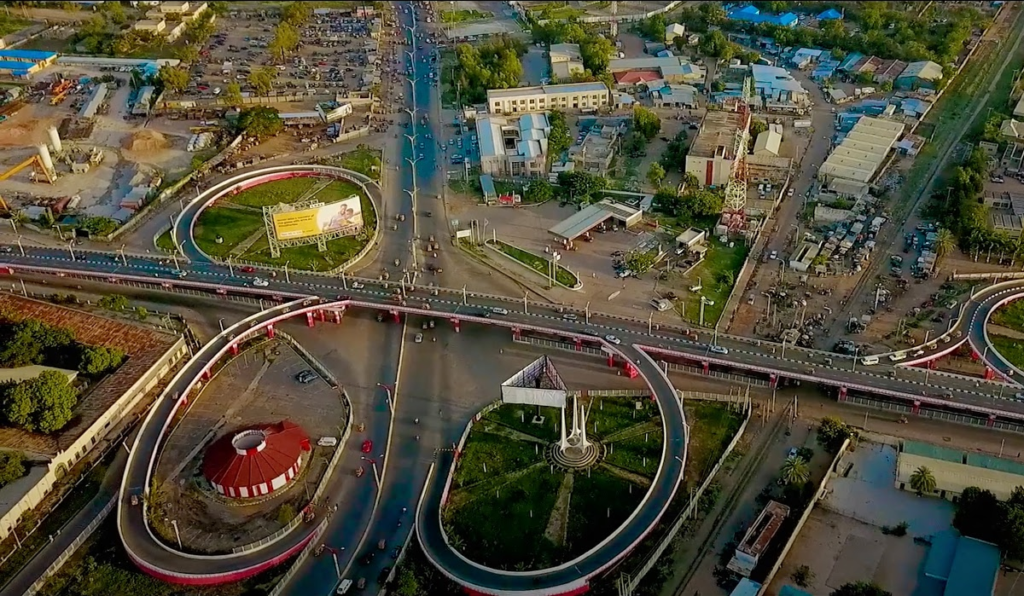
Why visit: Kano is one of the oldest cities in West Africa, famous for its rich history, traditional markets, and vibrant festivals.
Regarded as The Ancient City of Commerce & Culture
Top attractions:
- Kano City Walls: Over 1,000 years old, these ancient walls are a must-see for history enthusiasts.
- Gidan Makama Museum: A 15th-century palace turned museum showcasing Hausa heritage.
- Kurmi Market: Shop for local leather, crafts, and fabrics in one of Africa’s oldest markets.
- Dala Hill: Offers panoramic views of the city steeped in local myths.
Pro tip: Visit during the Durbar Festival for colorful horse parades and royal pageantry.
Nearby attractions: Check out the Emir’s Palace and the Tarauni Quarter for traditional crafts.
2. Abuja
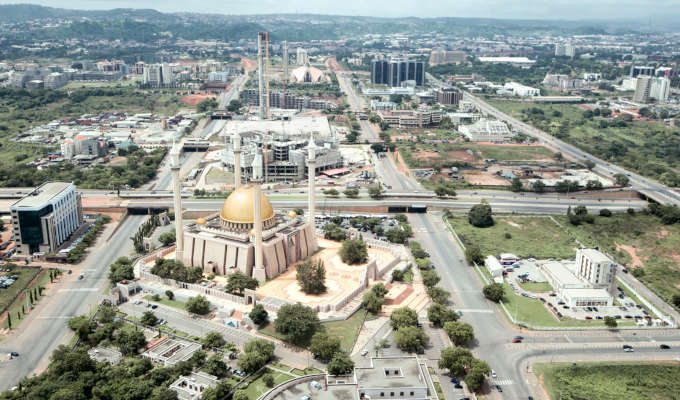
Why visit: While centrally located, Abuja offers Northern Nigeria vibes with modern infrastructure, parks, and lakes.
Regarded as The Modern Capital with Northern Charm
Top attractions:
- Aso Rock: Iconic monolith and symbol of Nigeria’s seat of power.
- Millennium Park: Perfect for family picnics and leisurely walks.
- Jabi Lake & Boat Club: Enjoy kayaking, boat rides, and dining.
- Art & Craft Village: Explore handmade souvenirs and local art.
Pro tip: Take a short trip to Usuma Dam or hike the Mpape Crushed Rock for adventure.
READ MORE: How to Get LGA or State of Origin Certificate for Nigerian International Passport
3. Jos
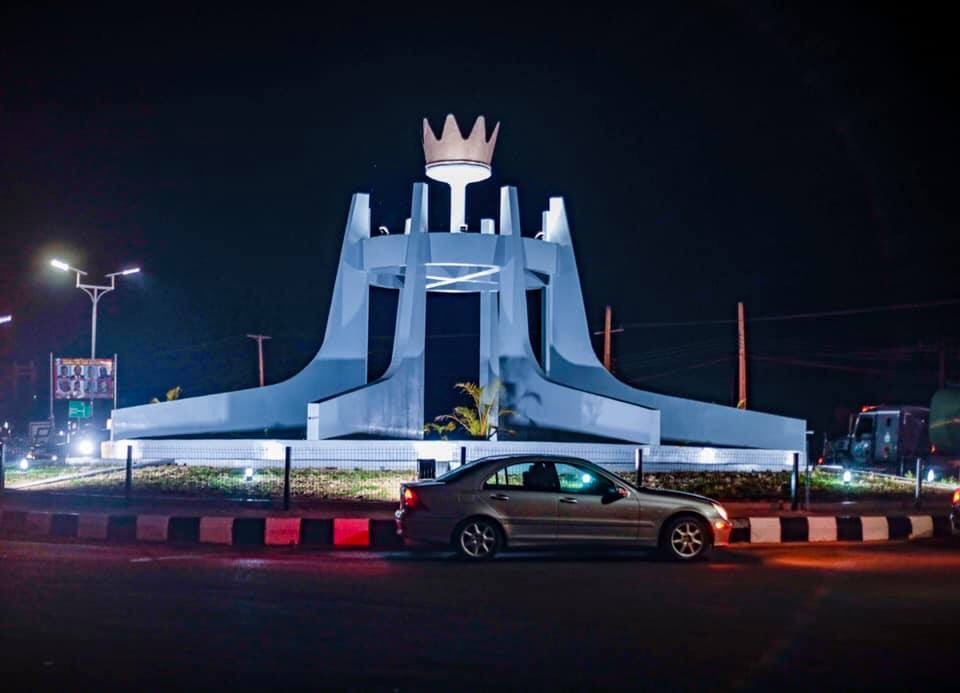
Why visit: Jos offers cool weather, scenic hills, and a peaceful environment ideal for nature lovers.
Regarded as Nigeria’s Plateau Paradise
Top attractions:
- Jos Wildlife Park: Home to lions, hyenas, and monkeys.
- Shere Hills: Excellent for hiking and photography.
- Museum of Traditional Nigerian Architecture (MOTNA): Explore traditional designs and history.
- Assop Falls: A stunning waterfall just outside the city.
Pro tip: Dress warmly in the evenings and mornings — the plateau climate can be chilly.
4. Bauchi
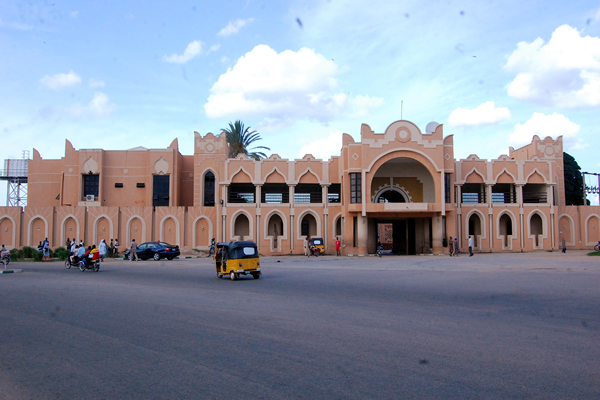
Why visit: Bauchi is synonymous with wildlife and natural beauty, perfect for eco-tourists.
Regarded as the Gateway to Yankari Game Reserve
Top attractions:
- Yankari Game Reserve: Spot elephants, baboons, antelopes, and relax in the Wikki Warm Springs.
- Emir’s Palace: A cultural landmark showcasing traditional architecture.
- Bauchi State Museum: Learn about pre-colonial history and artifacts.
Pro tip: Stay overnight in the reserve for morning wildlife safaris.
5. Zaria
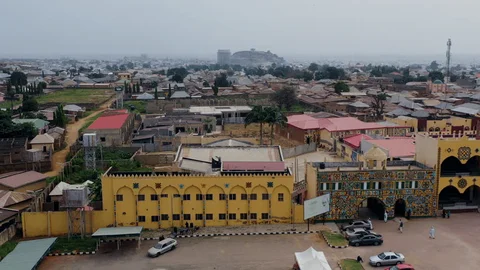
Why visit: Zaria is a historic city known for Islamic scholarship and Ahmadu Bello University.
Regarded as The Historic Seat of Learning
Top attractions:
- Zaria City Walls: Ancient Hausa fortifications.
- Ahmadu Bello University (ABU): The oldest and largest university in Northern Nigeria.
- Emir’s Palace in Zazzau: Active cultural hub.
- Zaria Dam: Peaceful picnic spot.
Pro tip: Don’t miss Kofar Doka and Kofar Kona gates — architectural gems with centuries of history.
6. Kaduna
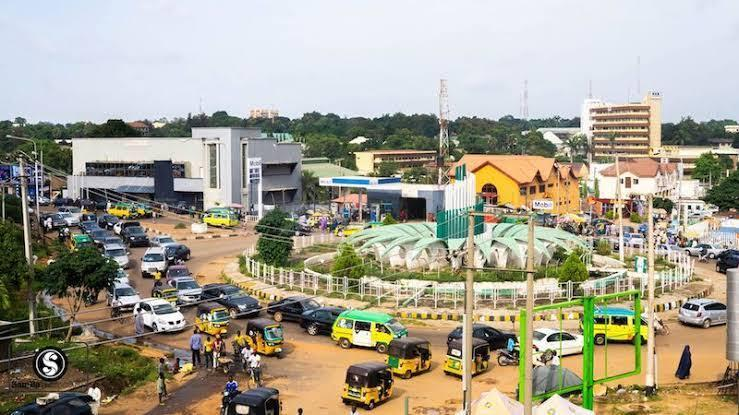
Why visit: Kaduna blends modernity with traditional Northern culture and offers history, nature, and adventure.
Regarded as The Cultural Crossroads
Top attractions:
- Kaduna National Museum: Rich collection of Northern Nigerian artifacts.
- Kajuru Castle: A medieval-style castle unique to Africa.
- Kamuku National Park: Ideal for hiking and wildlife spotting.
- Lugard Hall: Colonial-era architecture and cultural events.
Pro tip: Explore Barnawa neighborhood for arts, crafts, and local delicacies.
7. Gombe
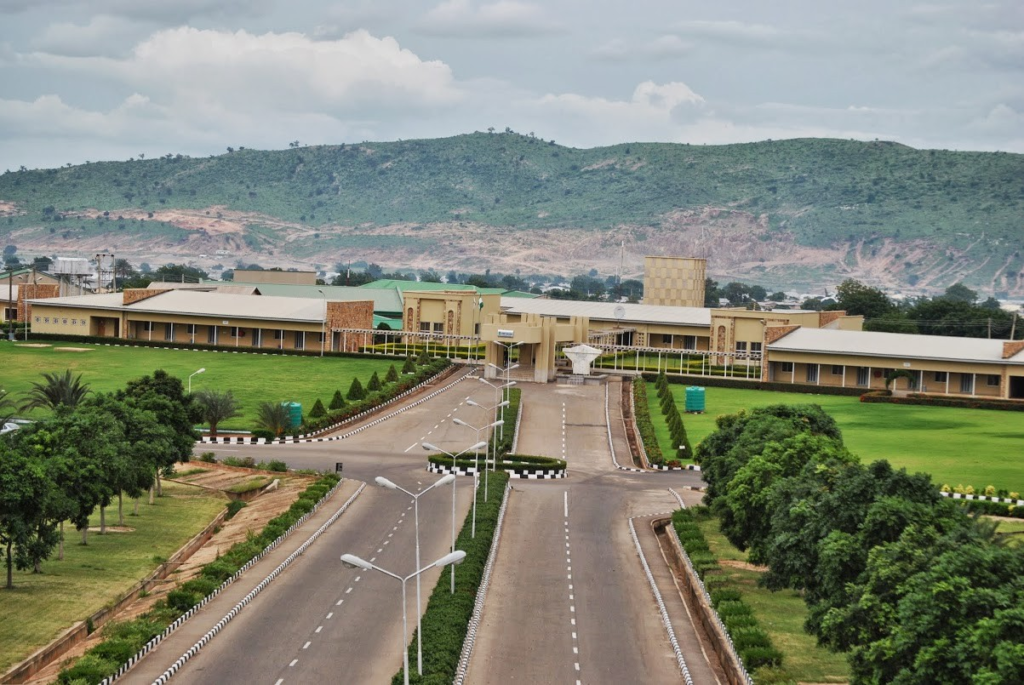
Why visit: Gombe is peaceful, scenic, and full of green hills.
Regarded as Hidden Gem of the Northeast
Top attractions:
- Tula Hills: Perfect for hiking and photography.
- Gombe Abba: Ancient ruins from the Fulani Empire.
- Bima Hills: Geological wonders for exploration.
Pro tip: Attend the Kaltungo Snake Festival for an authentic local experience.
8. Maiduguri
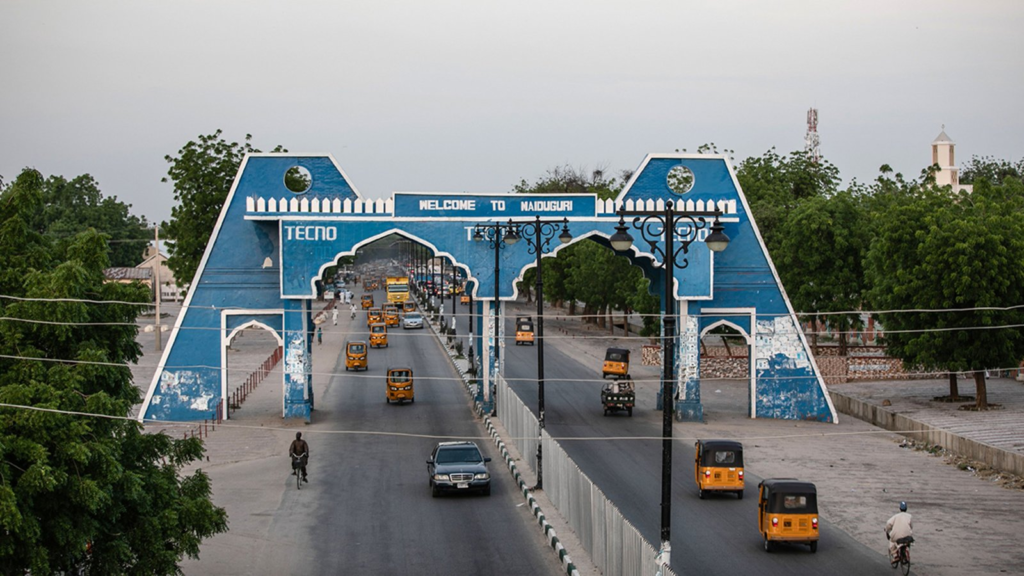
Why visit: Maiduguri is a resilient city with deep Kanuri heritage.
Regarded as Rich in Kanuri Culture
Top attractions:
- Ramat Museum: Regional history and wildlife.
- University of Maiduguri: Academic and cultural hub.
- Kanem-Bornu Palace: Reflects ancient Sahelian power.
Pro tip: Always check security updates and travel advisories before visiting.
9. Minna
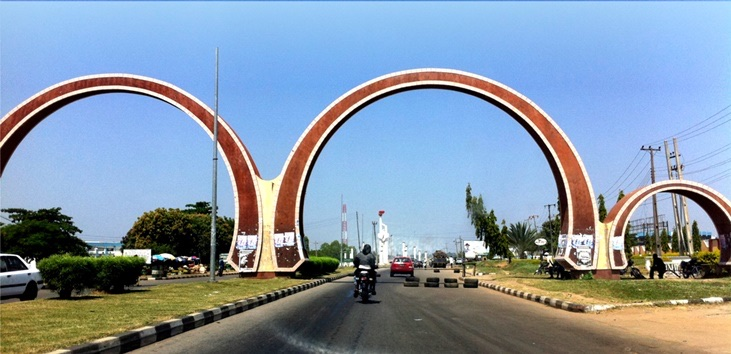
Why visit: Minna is serene and historically significant, producing notable leaders.
Regarded as The City of Generals
Top attractions:
- Gurara Waterfalls: Easy-to-reach scenic falls.
- Zuma Rock (nearby): Iconic geological feature.
- Wushishi Trans-Way: Nigeria’s oldest railway locomotive site.
Pro tip: Use Minna as a base for day trips to nearby natural attractions.
10. Sokoto
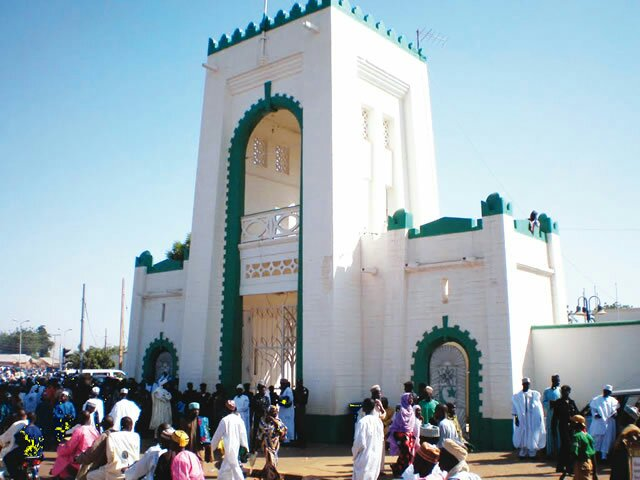
Why visit: Sokoto is the center of the Sokoto Caliphate, rich in Islamic history.
Regarded as The Spiritual Capital of Northern Nigeria
Top attractions:
- Sultan’s Palace: Seat of Nigeria’s highest Islamic authority.
- Sokoto Museum: Displays Hausa-Fulani heritage.
- Usman Dan Fodio Tomb & Mosque: Historical and spiritual sites.
Pro tip: Dress modestly and respect local customs — Sokoto is conservative.
Travel Tips for Northern Nigeria
- Dress Modestly: Especially in Sokoto, Zaria, and other religious areas.
- Respect Local Norms: A little courtesy goes a long way.
- Hire Local Guides: Especially for off-the-beaten-path attractions.
- Check Safety Updates: Particularly for northeastern states.
- Try Local Cuisine: Tuwo Shinkafa, Miyan Kuka, Kilishi, and Suya are must-tries.
FAQs About Traveling to Cities in Northern Nigeria
Are Cities in Northern Nigeria safe for tourists?
Many cities like Abuja, Kano, Jos, and Kaduna are safe for travelers. Avoid remote areas at night, stay updated with local advisories, and use trusted transport.
What is the best time to visit Cities in Northern Nigeria?
Dry season (October to March) is ideal for sightseeing, road travel, and attending cultural festivals like Durbar and Argungu Fishing Festival.
Do I need a tour guide?
Not always, but guides enhance your experience with local knowledge, safer routes, and cultural context.
What should I wear when visiting?
Northern Nigeria is conservative. Women should wear loose clothing and a scarf. Comfortable shoes and light cotton clothes are recommended.
Can I use international debit/credit cards?
In major cities like Abuja and Kano, yes. But carry cash for markets, taxis, and small vendors.
Are there unique cultural events cities in Northern Nigeria?
Yes. Attend Durbar Festivals in Kano, Katsina, and Zaria or the Argungu Fishing Festival in Kebbi for unforgettable experiences.
Conclusion
Northern Nigeria offers a perfect blend of history, culture, and natural beauty. From the ancient walls of Kano to the serene hills of Jos and the spiritual heart of Sokoto, these cities provide experiences that appeal to every type of traveler.
Plan your trip smartly, respect local customs, and let the region’s vibrant culture enrich your travel story. Whether you’re seeking adventure, history, or relaxation, Northern Nigeria has it all — and it’s waiting for you.