What Happened to TSTV? The Rise, Fall, and the Emergence of LUFT TV
If you’ve ever asked, “What happened to TSTV?”, you’re not alone. For many Nigerians, TSTV was once seen as the long-awaited alternative to expensive Pay TV services like DStv and GOtv. It launched with huge promises, massive government backing, and high public expectations—then suddenly went quiet.
Years later, the story has taken a new turn with the introduction of LUFT TV, another Pay TV venture by the same founder. So what really happened to TSTV, and what does this new development mean for affected subscribers?
Let’s break it down.
What Was TSTV and Why Did Nigerians Believe in It?
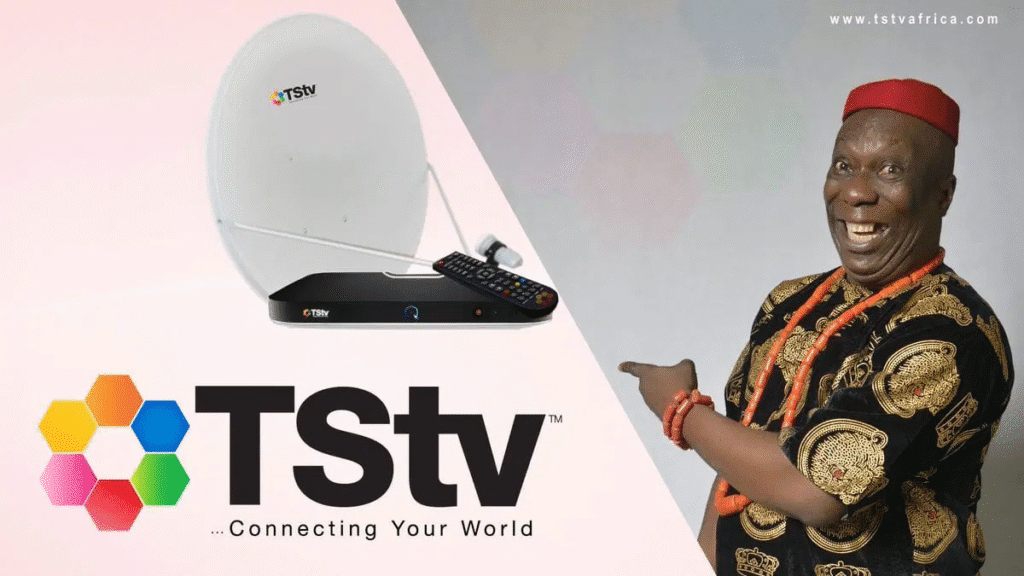
TSTV (Telecom Satellites Limited) officially launched on October 1, 2017, Nigeria’s Independence Day—a move many saw as symbolic. It was marketed as the first fully indigenous Pay TV operator, promising to disrupt Multichoice’s dominance in the Nigerian market.
Some of TSTV’s bold promises included:
- Pay-as-you-view subscriptions
- Pause-and-resume billing
- Affordable pricing
- Free internet services
- Premium local and international channels
With public endorsement from government officials and a three-year tax waiver announced at launch, Nigerians were hopeful. Many rushed to buy decoders, believing TSTV would finally change the Pay TV experience.
So, What Happened to TSTV?
Shortly after its grand launch, TSTV went silent.
The service became inconsistent, channels stopped working, and customer complaints piled up. Although TSTV attempted a comeback on October 1, 2020, the experience remained unreliable. Eventually, by March 2024, TSTV disappeared completely—again—without a clear explanation to subscribers.
Many customers who had already paid for decoders and subscriptions were left stranded, frustrated, and asking the same question:
What happened to TSTV, and who is accountable?
Legal Troubles and EFCC Case
Adding to the controversy, TSTV became embroiled in a ₦380 million fraud-related case filed by the Economic and Financial Crimes Commission (EFCC).
The founder, Bright Echefu, has denied the allegations, stating that the matter is a civil loan dispute involving Kalsiyam Global and not a criminal fraud case. According to him, the issue remains pending in court.
Regardless of the legal interpretation, the situation further eroded public trust in the TSTV brand.
The Emergence of LUFT TV: A Fresh Start?
In 2026, Bright Echefu unveiled LUFT TV, a new Pay TV platform, at a launch event in Abuja. According to him, LUFT TV is built on cutting-edge satellite technology with coverage across West Africa.
LUFT TV promises:
- Crystal-clear HD content
- Multi-device viewing
- Flexible subscriptions
- Affordable pricing
- Strong focus on African and Nigerian content
Most importantly, Echefu stated that TSTV is not dead and that existing TSTV subscribers will soon be onboarded onto LUFT TV.
This announcement sparked mixed reactions—hope from stranded customers and skepticism from others who feel burned by the past.
What Government Leaders Are Saying
Several Nigerian governors present at the launch expressed optimism.
- Governor Abdullahi Sule (Nasarawa State) compared LUFT TV’s vision to how Globacom disrupted MTN’s billing system, emphasizing “pay only for what you watch.”
- Governor Caleb Mutfwang (Plateau State) praised the initiative, urging Nigerians to support affordable local innovations while demanding quality.
Their comments signal political goodwill, but Nigerians remain cautious.
Public Reaction: Hope, Doubt, and Hard Questions
For many Nigerians, LUFT TV feels like déjà vu.
The key concerns remain:
- What happens to customers who already lost money to TSTV?
- Will LUFT TV truly deliver on its promises?
- Has accountability been fully addressed?
History has shown that Nigerian Pay TV ventures can fail when they overpromise and underdeliver, as seen with past platforms like HiTV.
Final Thoughts: What Happened to TSTV—And What Comes Next?
So, what happened to TSTV?
In simple terms: big promises, poor execution, silence, and unresolved customer trust issues.
While LUFT TV may represent a second chance, its success will depend on transparency, consistency, and genuine customer care—not just attractive marketing.
For Nigerians watching closely, the real test isn’t the launch—it’s what happens after.
Until then, the question remains open:
Will LUFT TV redeem the TSTV story, or repeat it?
